
Why 25 Percent of Home Insurance Claims Now Involve Roof Damage
Roof damage is increasingly a major factor in residential insurance claims, affecting homeowners and insurers alike. Understanding why roofing insurance claims are on the rise helps homeowners protect their investments and make informed decisions. By examining trends, causes, and preventative strategies, homeowners can mitigate the impact of roof-related issues.
Review Recent Roofing Claim Trends
Roofing claims have steadily increased over the past several years, with more homeowners filing for damage than ever before. According to a report by Verisk roof-related line items made up more than a quarter of all residential claim value in 2024, and non-catastrophic wind and hail losses climbed from 17 to 25 percent of residential claims since 2022. This data illustrates the growing importance of monitoring roof conditions and addressing minor issues before they escalate.
Insurance providers are also adapting to these trends, often adjusting coverage policies and premium rates to account for the increased frequency of roofing insurance claims. Homeowners should stay informed about these changes and understand how roof damage can affect their overall coverage.
Understand the Common Causes of Roof Damage
Roof damage often results from environmental and structural factors. Common causes include storms, high winds, hail, falling debris, and prolonged exposure to sunlight and moisture. Aging roofs are especially susceptible to deterioration, increasing the likelihood of roofing insurance claims.
Homeowners who understand these causes are better equipped to prevent serious damage. Regular inspections, maintenance, and timely repairs can reduce the frequency and severity of roofing insurance claims, protecting both the home and the insurance policy.
Examine the Impact of Weather Events
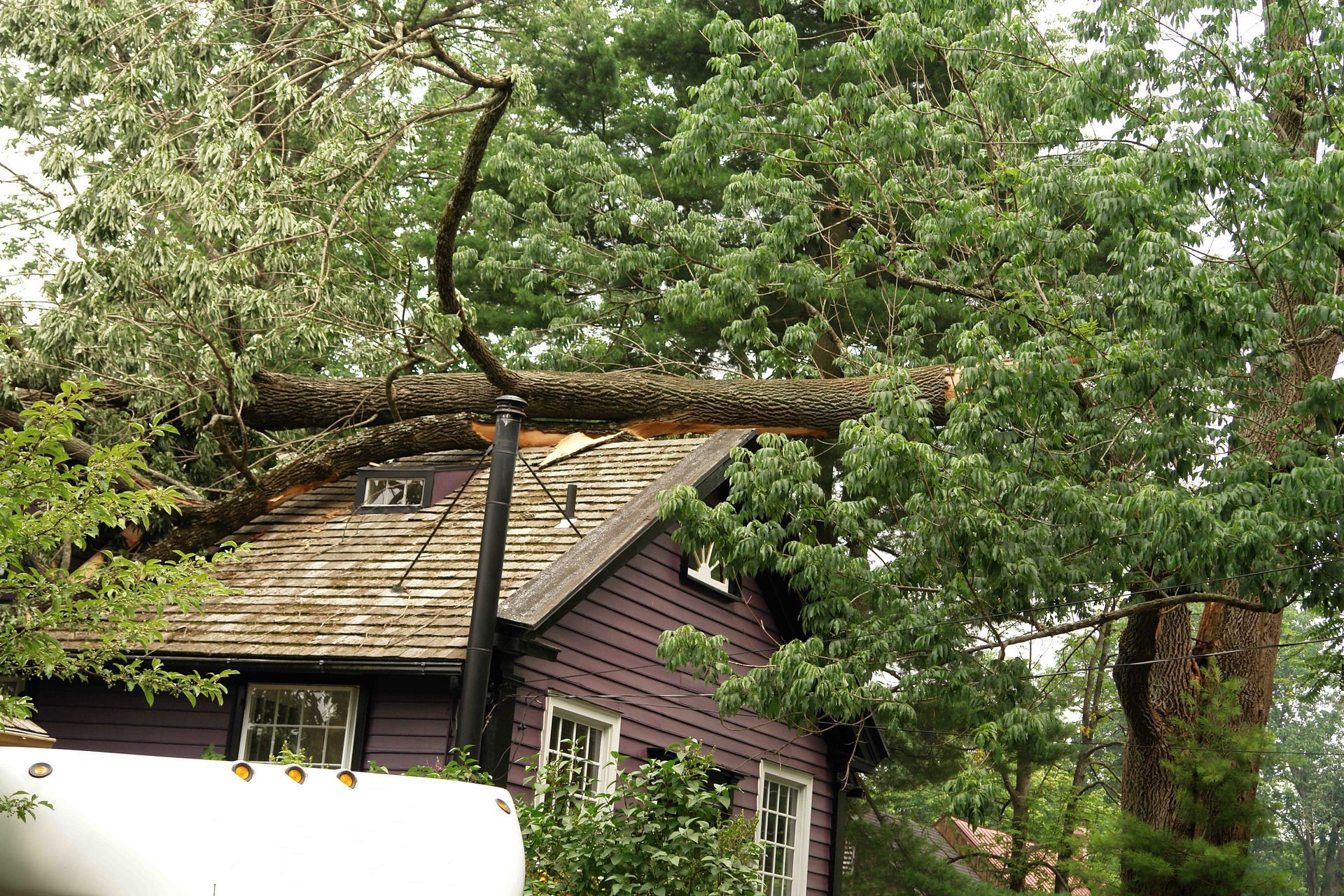
Severe weather events have a direct impact on the number of roofing claims filed annually. Storms, hail, and high winds can compromise shingles, tiles, and flashing, leading to leaks and structural damage. Even non-catastrophic weather events can weaken roofing materials over time, prompting homeowners to file claims.
According to the Verisk report, the increase from 17 to 25 percent of residential claims for non-catastrophic wind or hail losses highlights how ordinary weather fluctuations now contribute significantly to insurance claims. Understanding this trend emphasizes the need for preventative measures and regular roof maintenance.
Recognize Aging Roofs as a Risk Factor
Older roofs are more likely to experience wear and tear that leads to insurance claims. Shingles, underlayment, and other materials degrade over time, making the roof less resistant to wind, rain, and sun exposure. Homeowners with aging roofs should be particularly vigilant about inspections and repairs.
Proactive maintenance can extend the lifespan of an older roof and reduce the likelihood of roofing insurance claims. Scheduled inspections by qualified roofing professionals help identify vulnerable areas before they become major issues, offering cost savings and peace of mind.
Understand the Role of Insurance Policies
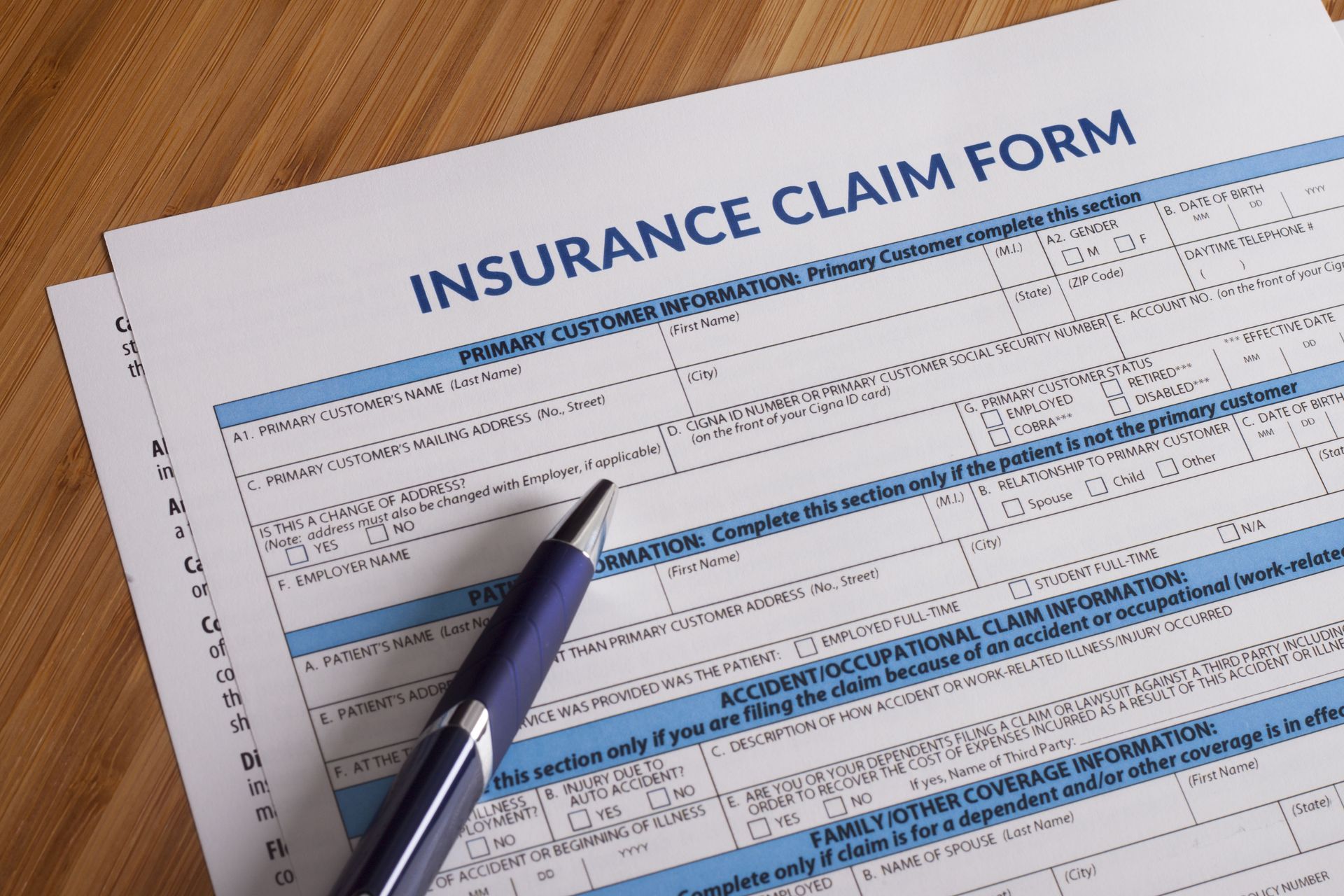
Home insurance policies often vary in coverage for roof damage. Some policies cover full replacement, while others may only pay for repairs or depreciated value. Understanding policy details helps homeowners avoid unexpected out-of-pocket expenses when filing roofing claims.
Insurance providers may also adjust premiums based on roof age, material, and location, reflecting the increased frequency of claims. Staying informed about policy coverage ensures homeowners are prepared for potential claims and can make informed decisions about roof maintenance and upgrades.
Perform Regular Roof Inspections
Regular inspections are crucial for identifying minor issues before they escalate into major problems. Check for loose shingles, damaged flashing, leaks, or signs of moisture infiltration. These inspections can be done seasonally or after major weather events to minimize the likelihood of roofing insurance claims.
Hiring a professional roofing contractor for inspections ensures that hidden issues are not overlooked. Many roofing contractors provide detailed assessments and recommendations for preventative maintenance, helping homeowners protect their investment and avoid costly repairs.
Address Minor Damage Promptly
Even small roofing issues can grow into larger problems if left unaddressed. Promptly repairing minor damage such as a few missing shingles or small leaks can prevent water damage, mold growth, and structural issues. Taking early action reduces the likelihood of filing significant roofing claims.
Local roofing contractors emphasize the importance of timely maintenance, noting that many large-scale claims originate from neglected minor issues. By addressing problems early, homeowners protect both their roofs and their insurance policies.
Upgrade Materials for Better Durability
Choosing high-quality roofing materials can reduce the risk of damage and subsequent insurance claims. Materials such as impact-resistant shingles, metal roofing, or synthetic composites offer greater durability against wind, hail, and UV exposure. Investing in better materials can lower the frequency of roofing insurance claims and improve overall roof longevity.
Many homeowners work with roofing professionals to determine the most suitable materials for their climate and budget. Selecting durable materials is a proactive step that minimizes risk and enhances property value.
Maintain Gutters and Drainage Systems
Clogged gutters and poor drainage contribute to roof deterioration by allowing water to pool and seep into roofing materials. Seasonal cleaning of gutters, downspouts, and drainage systems prevents moisture buildup and reduces the likelihood of roofing claims. Proper drainage protects shingles, fascia, and underlying structures from water damage.
Roofing professionals often recommend adding gutter guards or improving slope design to enhance water flow. Proper maintenance of these systems complements regular roof care, ensuring longer-lasting protection and fewer insurance claims.
Document and Monitor Roof Condition
Documenting your roof's condition through photos, videos, and written records is an essential step for any homeowner who wants to protect their investment. By creating a comprehensive record of your roof's current state, you can more easily track wear and tear, monitor the effectiveness of repairs, and identify early signs of potential problems. Regular monitoring allows homeowners to notice subtle changes over time, such as small cracks, areas of discoloration, curling or warped shingles, and water stains that could indicate leaks.
Local roofing contractors recommend performing seasonal documentation, particularly after storms, high winds, hail, or other extreme weather events that may compromise the roof. Keeping detailed records demonstrates proactive care and responsibility, which can positively influence insurance claim approvals and coverage amounts. Additionally, thorough documentation allows roofing professionals to provide more accurate assessments and targeted repairs, ensuring issues are addressed promptly and efficiently.
Hire Trusted Professionals for Repairs
Working with qualified roofing contractors ensures that repairs are done correctly the first time, preventing recurring issues that can lead to additional insurance claims. Professional repair services bring expertise in diagnosing underlying problems, selecting the right materials, and applying proper installation techniques. Their use of high-quality materials and adherence to industry standards provides long-lasting protection against wind, hail, water infiltration, and general wear and tear.
Skilled contractors also advise homeowners on routine maintenance schedules, seasonal inspections, and best practices for prolonging the life of their roofs. This guidance can include recommendations for cleaning gutters, checking for loose shingles, or applying protective coatings before severe weather. Relying on professionals helps maintain not only the structural integrity but also the aesthetic appearance of your roof, minimizing costly disruptions and repairs over time.
Roof damage now accounts for a significant portion of residential insurance claims, with non-catastrophic events contributing to rising numbers. By understanding trends, causes, and preventative strategies, homeowners can reduce the frequency and severity of roofing claims. Regular inspections, timely repairs, durable materials, and professional guidance ensure that roofs remain safe, functional, and visually appealing while minimizing costly insurance issues. If you are looking for a reliable attorney to help with your roofing insurance claim, contact Martinez Hsu, P.C. today to learn more and get started!





Share On: